Shape clay with steadier hands.
ClayVital is a beginner hand-building course for practicing pinch forms, coils, slabs, joins, rims, and surface checks without rushing the material.
Small clay skills that make early forms cleaner.
Practice begins with simple hand movements: press, pinch, roll, join, smooth, and check the clay before the shape gets too wet, thin, or uneven.
Pinch Form Control
Work small bowls and simple forms while checking pressure, rim height, and wall thickness.
Coil Rolling
Roll short coils evenly, then notice where soft spots, cracks, or flat sections
begin.
Slab Shaping
Make small slabs, trim edges lightly, and keep corners tidy before adding detail and texture.
Join And Seam Checks
Practice scoring, slip, and gentle pressure so attached parts feel cleaner and steadier.
Surface Smoothing
Compare fingers, sponge, and simple tools to see how each changes the clay surface.
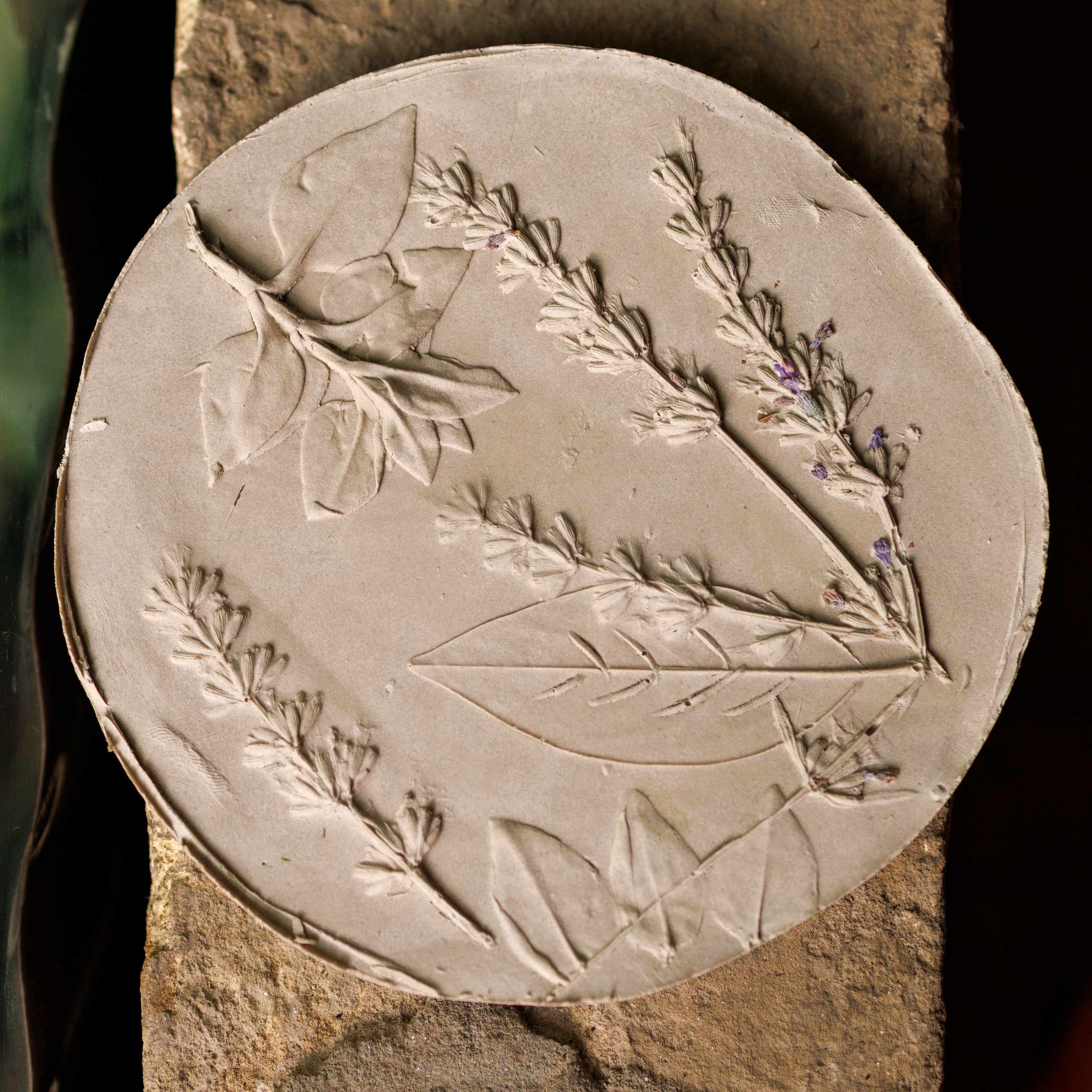
Texture Timing
Test marks on a small tile before
pressing texture into a form that is still too soft.
Four steps for calmer clay practice.
The course approach keeps early practice focused: handle the clay, build a small form, check the weak spots, then refine without overworking the surface.
Course OverviewPrepare The Clay
Begin with a manageable piece, notice moisture, and avoid adding water before the clay needs it.
Shape A Small Form
Use pinching, rolling, or slab work to build a simple shape without chasing perfection.
Check The Weak Spots
Pause to inspect wall thickness, rim height, base stability, seams, and soft edges.
Refine With Care
Smooth, trim, tuck, or add texture only after the form can hold the change.
Let each clay session teach one clear thing.
Read practical notes on moisture, rims, seams, coils, slabs, and the small checks that make hand-building less confusing.
Small corrections students notice first.
I used to press too hard and flatten every small bowl. The course helped me slow down, check the rim, and keep the walls more even.
The coil practice made sense because it showed where the clay was thick, thin, or drying out. My joins started looking cleaner.
I liked testing texture on a small tile before touching the main piece. It made the surface work feel less random and easier to control.